
It indicates the minimum number of units that must be sold to avoid losses. Calculate the total cost by adding the total fixed costs vs variable costs fixed cost and the total variable cost. This is the amount that the business has to pay for its production or sales.
Why Is It Important to Distinguish Between Fixed Costs and Variable Costs?
A company only pays for shipping whenever it sells and sends out a product. Many companies must get permits or licenses to operate lawfully, and they sometimes have to pay a monthly fee to Suspense Account update those permits/licenses. For instance, establishments that sell alcohol need to apply for and renew their liquor license annually. There may be fixed cost components, such as the cost of an in-house email distribution network, but most shipping costs are variable. In general, a company should spend roughly the same amount on raw materials for every unit produced assuming no major differences in manufacturing one unit versus another. Understanding which of your expenses are fixed and which are variable is important to setting pricing for your product.
What are fixed and variable costs and why are they important for business decisions?
Variable costs, on the other hand, directly impact the cost per unit and are crucial for pricing decisions and cost control. Variable costs are usually viewed as short-term because they can be adjusted quickly. That’s because variable costs are an expense that changes in proportion to how much a company produces or sells. They rise as production or sales increase and fall as production or sales decrease. Variable costs, on the other hand, are expenses that fluctuate with production levels or business activity.
The Importance of Getting Your Accounting in Order Early for Startups
This guide also shows you some accounting dashboard examples, and how to create one. Informed by insights from Fixed vs. Variable Costs, strategic decision-making aligns business operations with overarching organizational goals. Evaluating these costs serves as a benchmark for assessing business performance, allowing for continuous improvement and optimization.
Send Me Accounting for Everyone Weekly Updates
- A company’s production process cannot begin without the availability of relevant raw materials.
- Contractors are available to hire if needed and you don’t have to let people go if the work isn’t there.
- Semi-variable costs may also exist for businesses, made up of variable and fixed costs.
- Fixed and variable costs serve as a solid foundation for various costing methods employed by businesses, such as activity-based costing, job order costing, and process costing.
- Jami Gong is a Chartered Professional Account and Financial System Consultant.
- Knowing how much you spend—and on what—can help you make smarter decisions and keep your business healthy.
These external influences make it difficult to predict future cost patterns reliably. For example, Suzi is quite worried about her cafe since the sales revenue is less than the overall cost of operating the cafe. Suzi demands to learn your thoughts on whether she ought to shut down the company. In addition, she has already agreed to cover the cost of a year’s worth of rent, energy, and employee wages. In this article will provide examples of each type of cost and explain how they can impact your business. Understanding these concepts allows you to make more informed decisions about your expenses and improve your business undertakings.
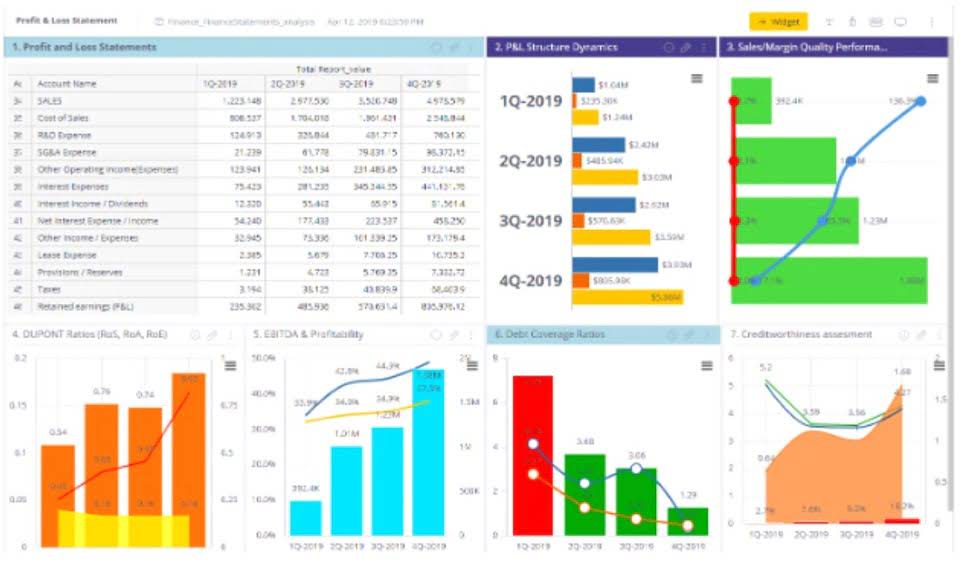
Using Financial Data to Analyze Cost Structures
- Proper management of fixed and variable costs ensures profitability, reliability, and sustainable power generation.
- These costs do not fluctuate with changes in output or sales revenue.
- Businesses must meet these obligations (e.g., rent, salaries, loan repayments) even if their income drops.
- Any expenses a business has that are based on the volume of products or services it produces are referred to as variable costs.
- This can make budgeting for variable expenses a bit more challenging than budgeting for fixed expenses.
The price of a greater amount of goods can be spread over the same amount of a fixed cost. In this https://www.bookstime.com/ way, a company may achieve economies of scale by increasing production and lowering costs. Variable costs, on the other hand, change in direct proportion to the level of production or business activity. These costs fluctuate depending on how much output a company generates. The more a business produces, the higher its variable costs; conversely, when production decreases, so do variable costs.